July 10, 2026
What a Week with a World-Renowned Photojournalist in Puglia Taught One Designer
Photography has never really been about cameras.
It is about attention. About noticing what others overlook. About earning enough trust that someone allows you to witness a moment worth remembering.
For more than four decades, award winning photojournalist Manoocher has documented revolutions, wars, environmental crises, and everyday acts of humanity across the globe. His photographs have appeared everywhere from Newsweek and National Geographic to United Nations publications, but the greatest lesson he offers isn't technical. It is how to see people with curiosity, empathy, and respect.
Together with his wife Ursula, an archaeologist and culinary historian, Manoocher welcomes guests to their self-sustaining vineyard in Puglia, southern Italy. Days move between photography assignments in nearby towns, thoughtful critiques, conversations about history and visual culture, and long dinners where archaeology, politics, storytelling, and food naturally weave together. It is less a photography workshop than a week of learning how to pay closer attention to the world.
Designer Cris Mascort arrived with an ongoing personal photography project and a desire to deepen her visual storytelling. She left with something more difficult to define: a clearer artistic voice, new creative direction, and a different way of understanding photography itself.
We spoke with Cris about what changed during her week with Manoocher and Ursula.
What drew you to spend a week with Manoocher and Ursula in Puglia, and what were you hoping to explore in your own photography practice?
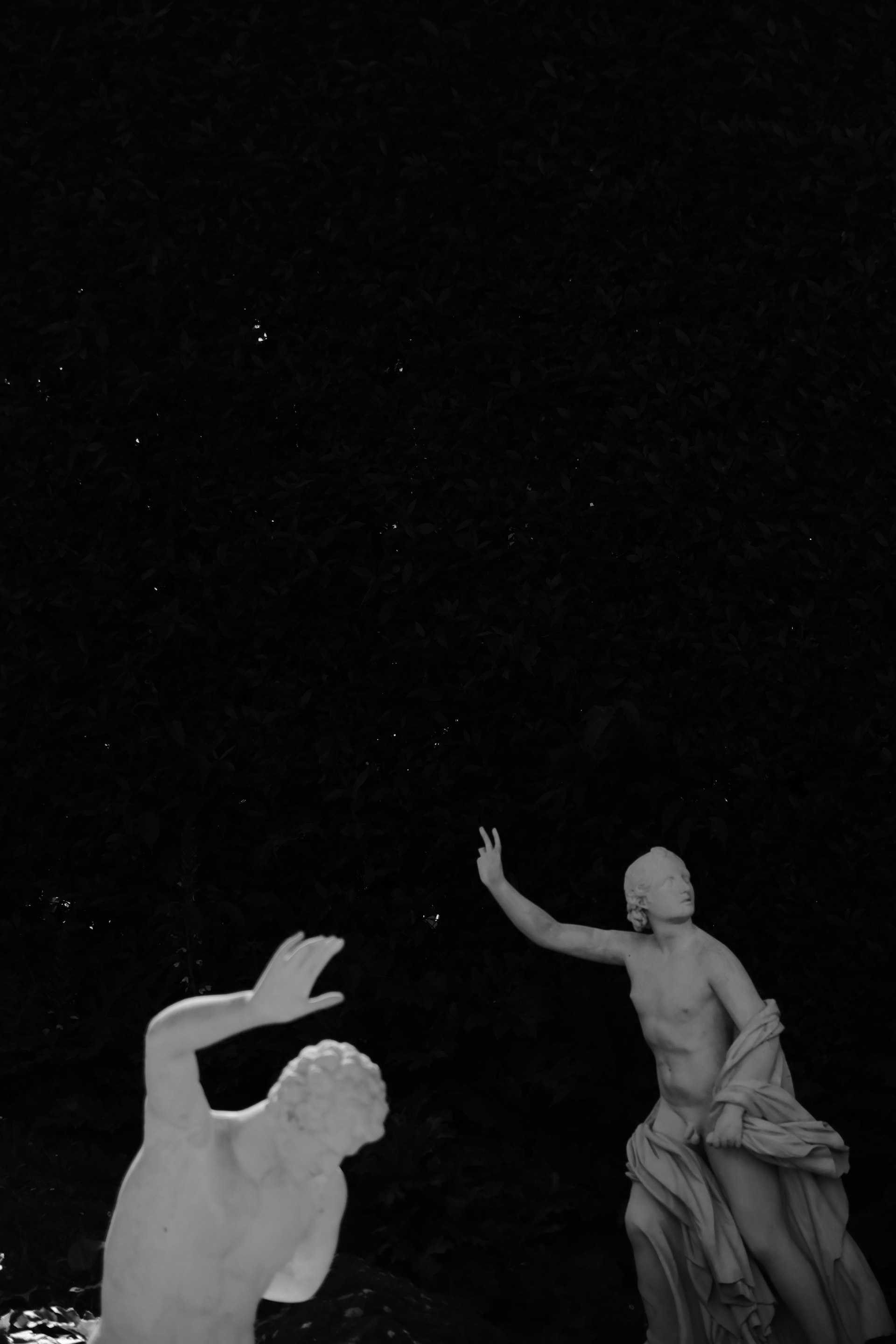
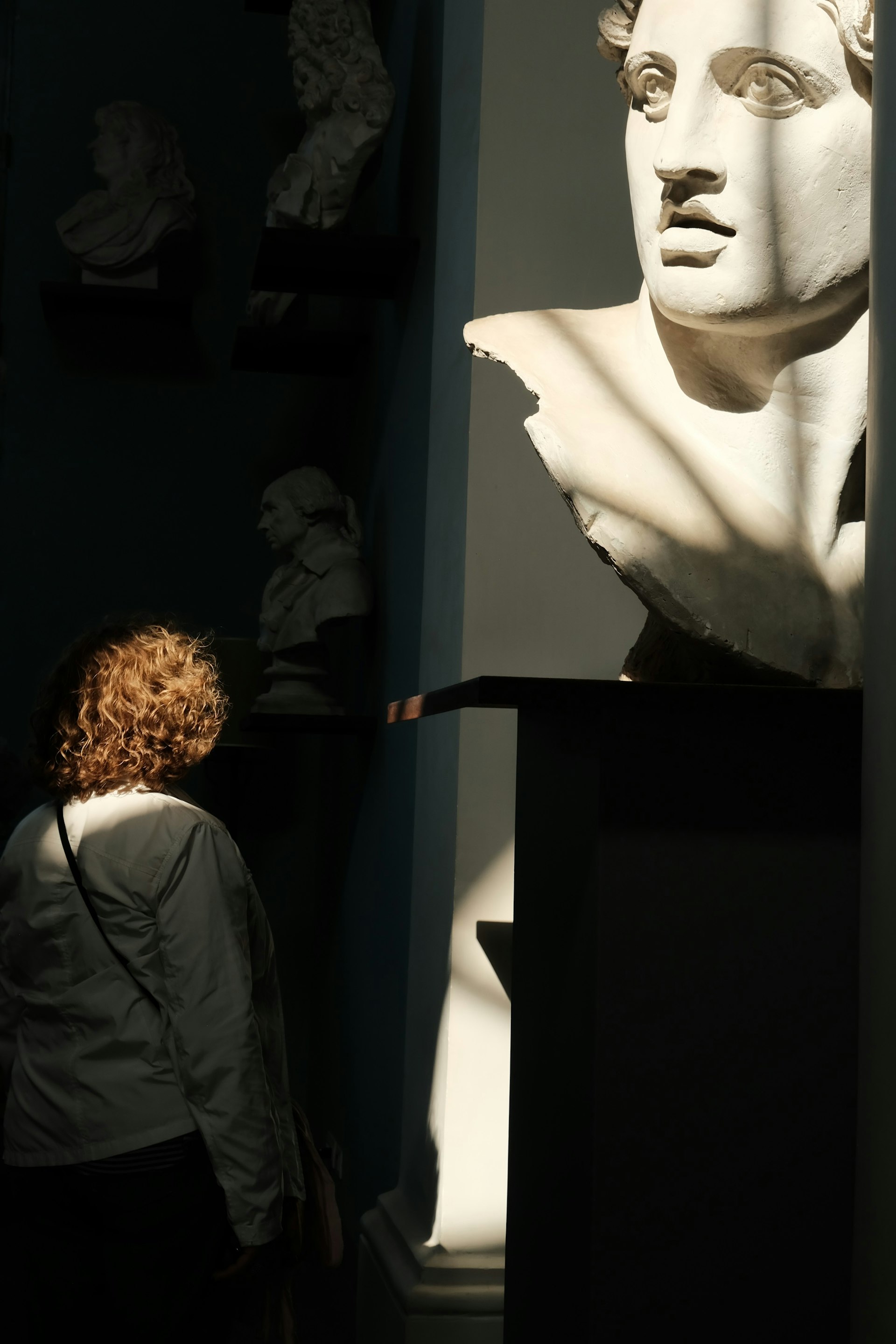
In parallel with my design career, I’ve been taking photos for as long as I can remember, probably when I was 10 years old and I got my first point-and-shoot Kodak camera. Later at college, I did photojournalism for a year. Since I moved to New York in 2018, I started taking them more seriously and intentionally. Around 2024 I started working on one specific project that mixed archaeology, sculpture, and conceptual photography. The combination of Manoocher and Ursula felt like a perfect match for me and, no need to say, an absolute honor to learn from a master like him. I didn’t even have to think about it twice.
At what moment did you realize this experience was going to be more than a photography workshop?
When I read about Manoocher, his background, and his own history. Also, the fact that I had the chance to spend evenings around dinner with them, I knew the approach was more personal VS just a class. Now knowing how Manoocher approaches his photography makes total sense. It is all about human connection.
What is something about Manoocher that can only be understood by spending time with him in person?
He will share with you how to enhance and apply your own sensibility, pain, and emotion to your work if you are kind enough to ask him how he does it, how he protects himself, or channels it with curiosity and kindness. I think we have to approach, not just Manoocher, but the world itself, from full self-awareness (or as much as we can) of our privilege. And interact with anyone, understanding that we live in a complete bubble and we have no idea how this world truly works. If we are open to being challenged, to accept that, to hear reality and stories that are painful, we might be able to get it. And still, can we?
You shared in your review that “to photograph, you need to train your head, your eyes, and your heart.” What does that mean to you now?
That’s what Manoocher told me on day one. And what I got from it is that we don’t need to buy the most advanced cameras or learn all the technical aspects, but educate ourselves through the visual culture of any kind: painting, photo, of course, poetry, film, human stories… and start with ourselves and our own community first. We don’t need to travel to the other side of the world to find an interesting story. They are right next to us.
Your conversations ranged from photography and archaeology to politics, history, identity, and the state of the world. How did those discussions change the way you think about storytelling, or even truth itself?
More than anything, they confirmed a lot of things. Nothing is black and white. We are still living under crazy imperialist narratives, and those in power are always telling one part of the truth. So we need to find our own mechanisms to find information, to fight hate, greed, and to protect life.
How did the landscape, food, pace, or daily rhythm of Puglia shape your experience?
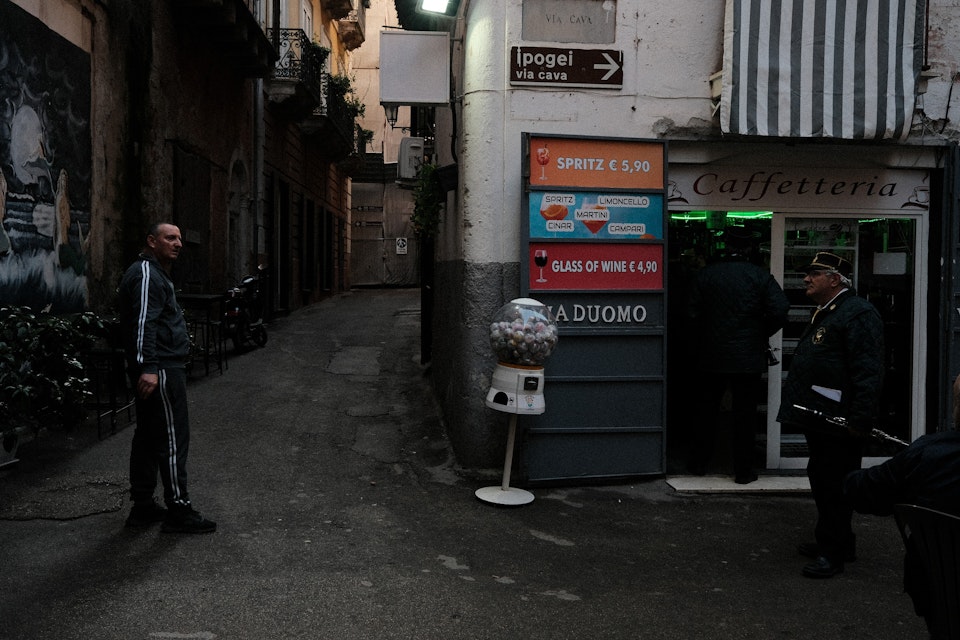
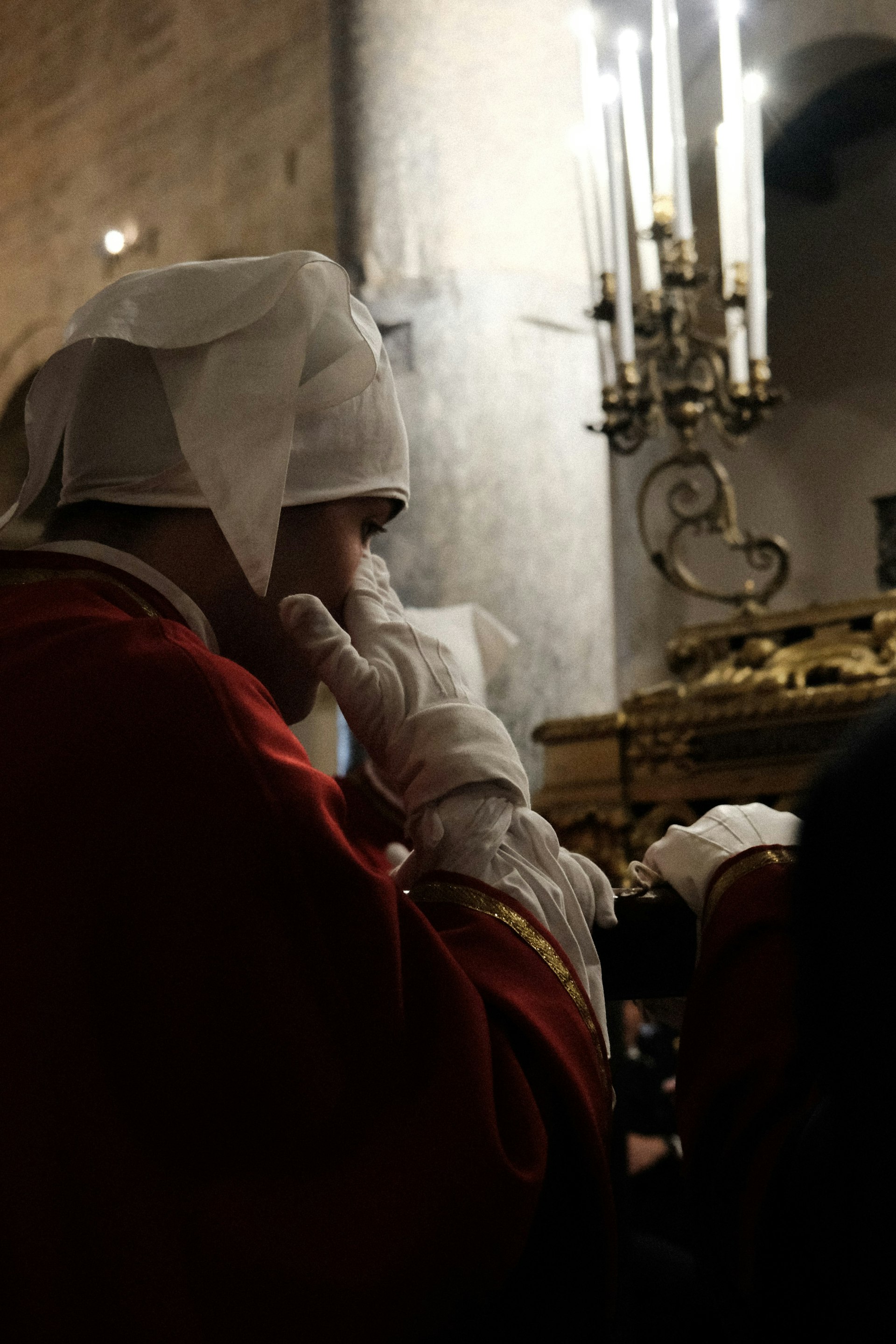
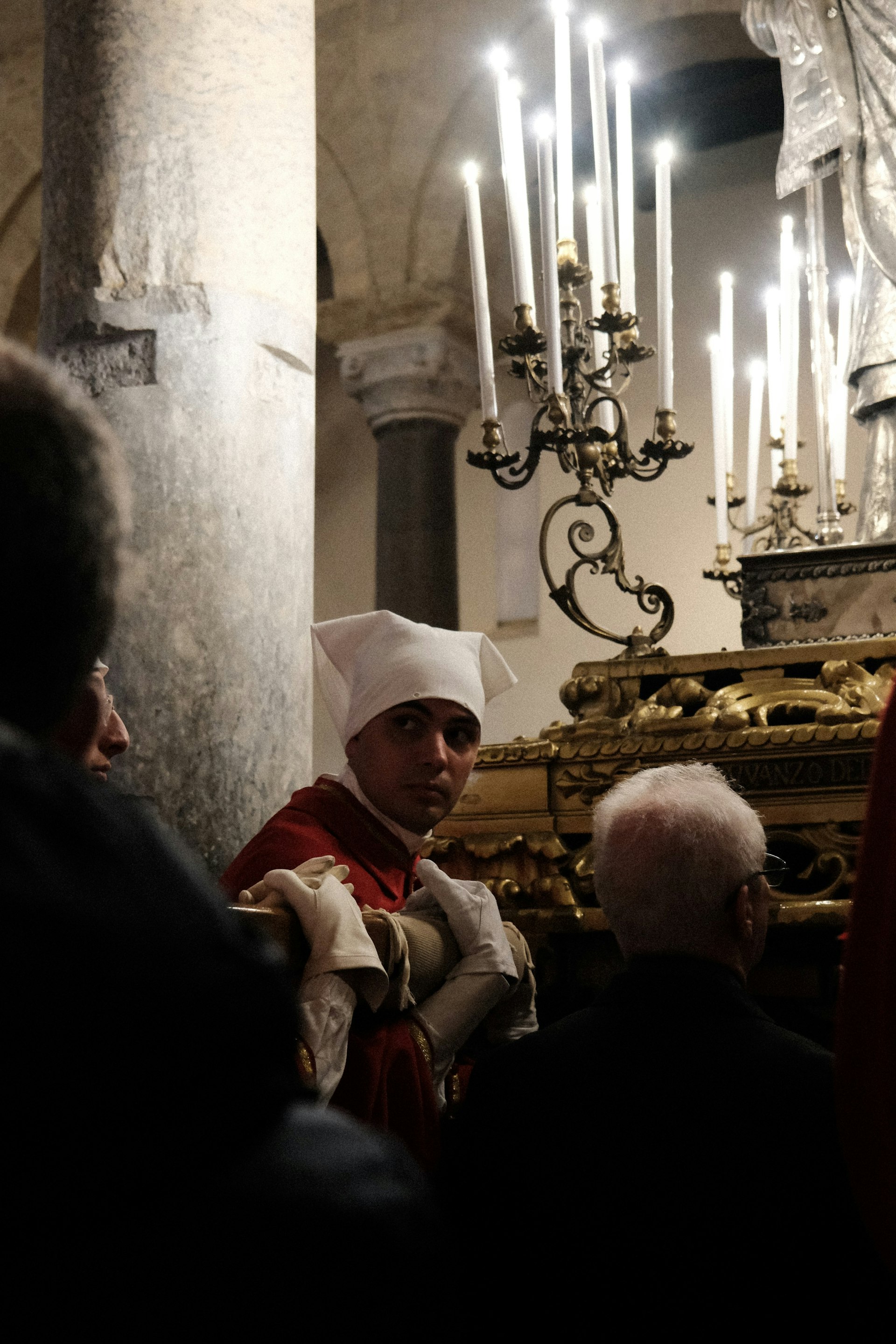
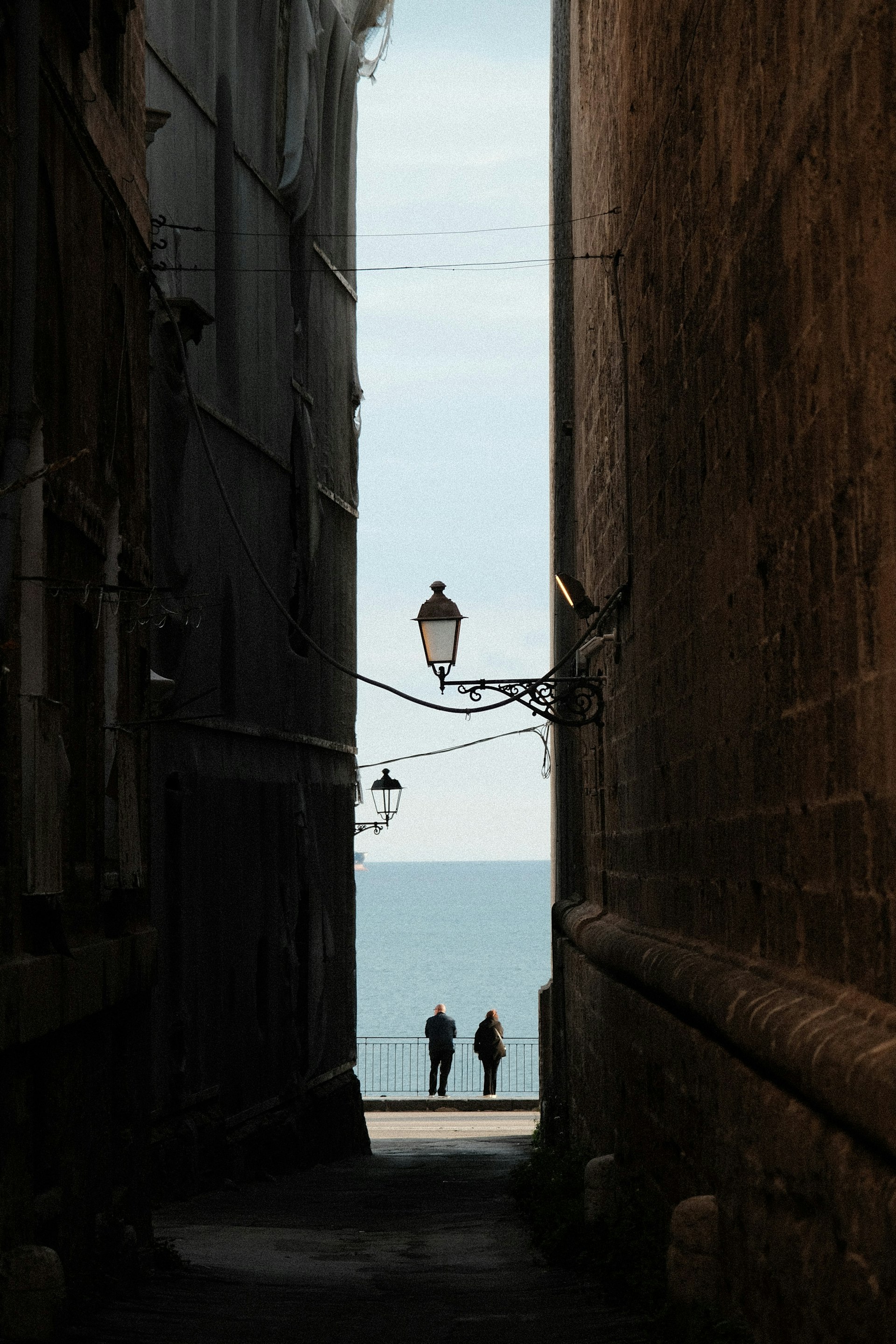
I felt a lot of similarity with the area where my parents live in Spain. I also speak Italian, so integration was easier before and during my stay with them. I was able to meet some locals and dive a bit more into the real issues that are happening in the area. I didn’t want to buy into the romantic holiday/marketing version of Puglia. I felt a connection to some real issues happening in Spain as well, with tourism and real estate speculation, and the loss of local identity against tourism “theme parks”. I also discovered the state of the city of Taranto, and I was really shocked by it all. Manoocher was kind enough to introduce me to some photojournalists from the area as well, and I was able to exchange and learn about it.
My first session was with Ursula about the archaeology of images, and she also cooked incredible ancient recipes that made me live history in the present. That was really unexpected and wonderful. I also think that the fact that they are not located in a city, but in the country, helps to slow down, focus, and disconnect from distractions so you can have full attention to the work and anything you are feeling (and learning).
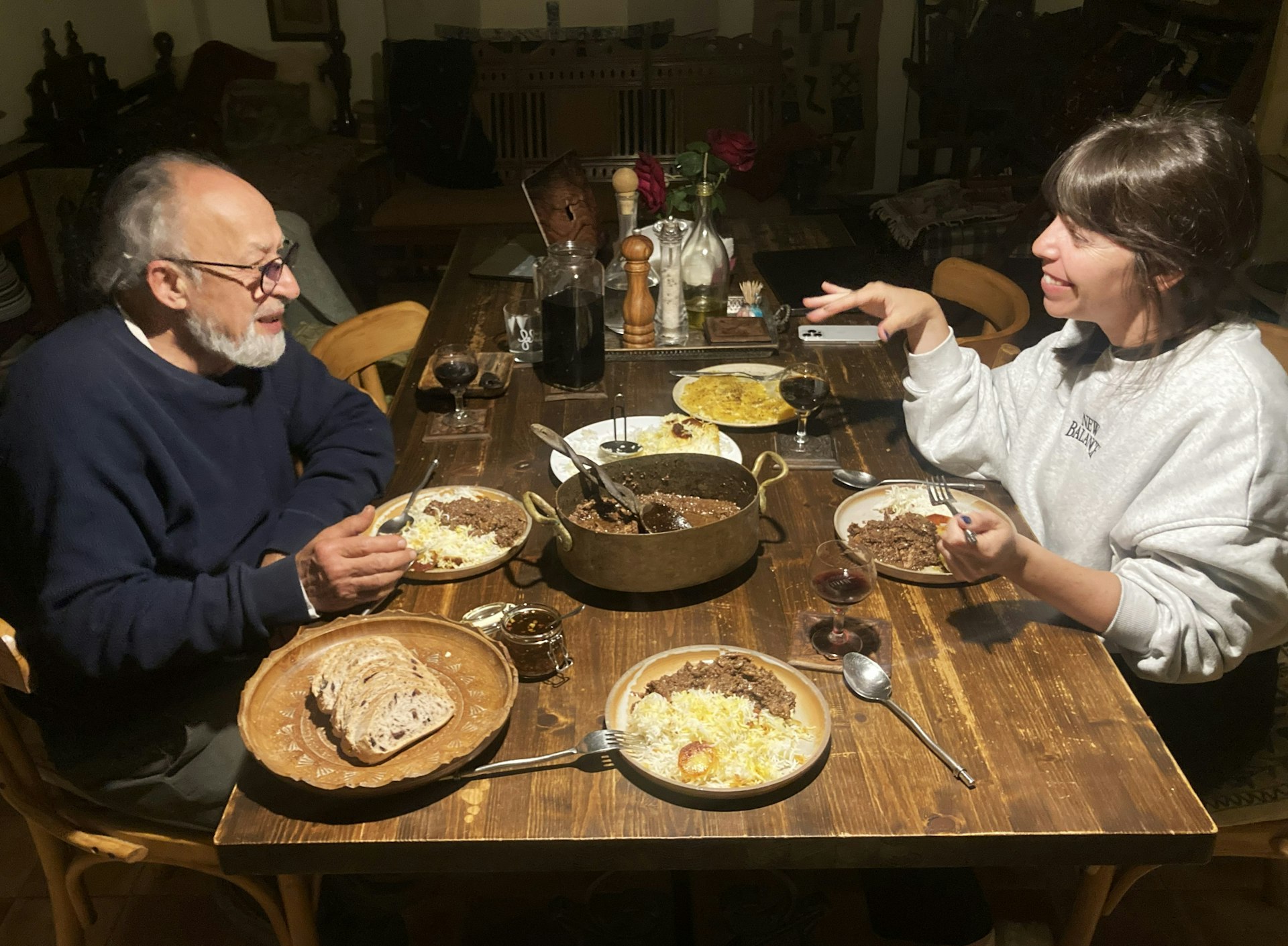
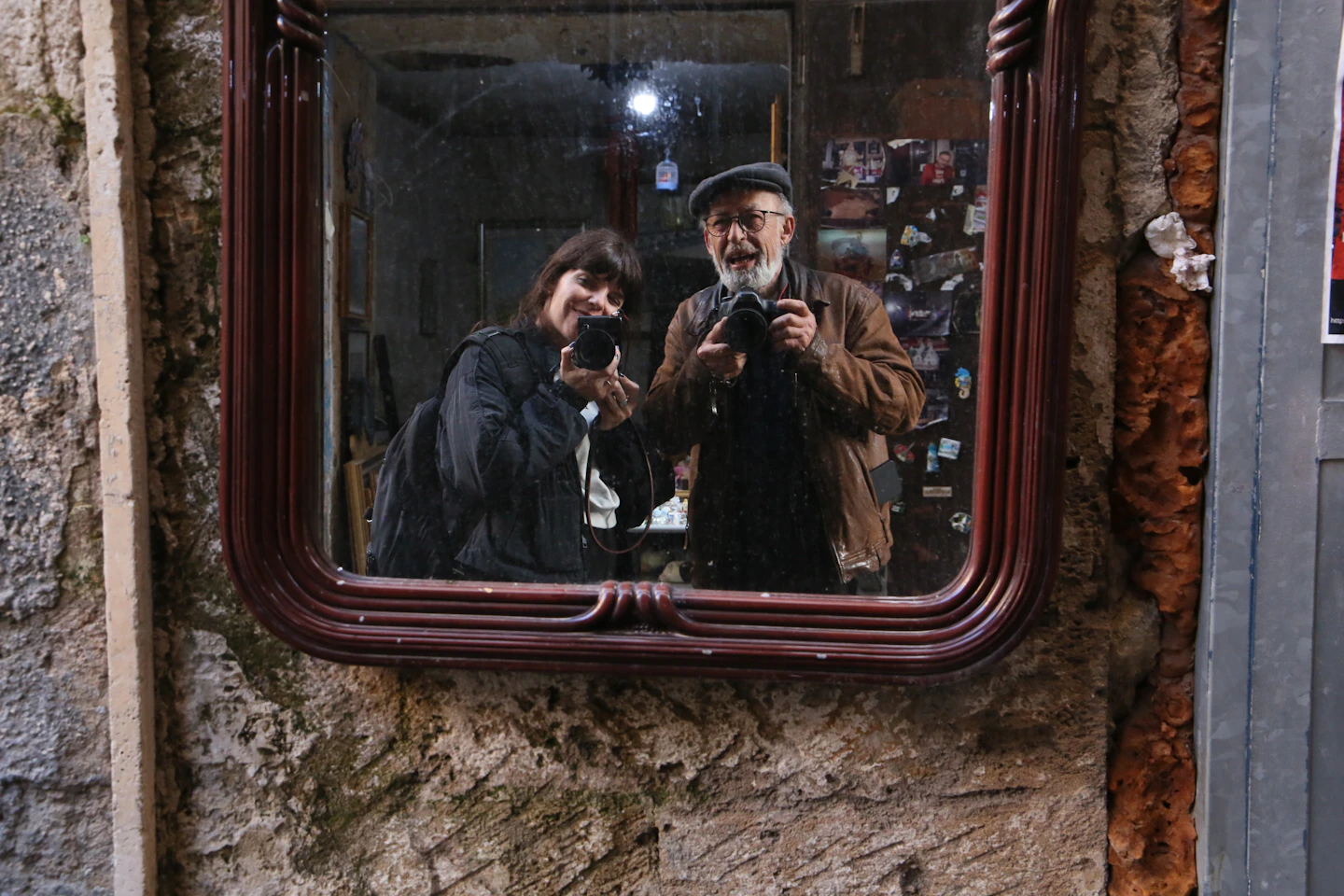
Photo taken by Ursula, capturing laughter and conversation at the end of the day over her delicious historical cooking.
Did the week influence the photo project you arrived with, or open up a new direction for your work?
Absolutely. Manoocher is great at pushing your boundaries and giving you very specific feedback so you can practice and improve. I left with new project ideas, and now that I’m re-looking at the photos, I can see a bit of unexpected narrative, so I can make a little book from it as well. One thing that happened, though, is that Manoocher helped me frame and verbalize my point of view and style as a photographer, which I wasn’t able to find the words for before.
What are you carrying home from this VAWAA that you did not expect?
Creative focus, new project ideas, artistic connection, and, of course, new friendships.
Where can people learn more about your mini-book or photo project?
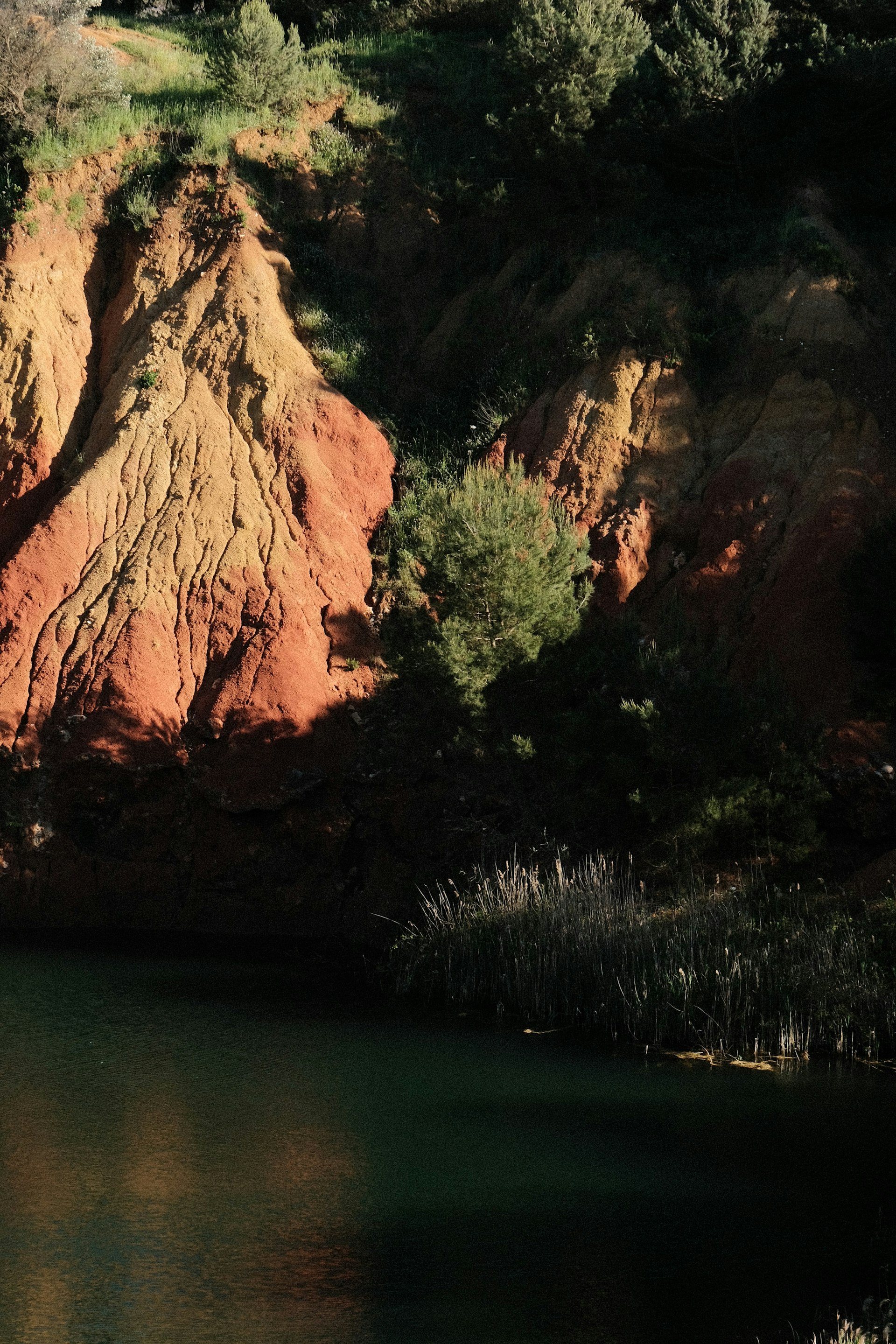
I’m working on a new website at the moment, but for now I’m publishing some of them at my Instagram.
Learn more about Manoocher's photojournalism VAWAA and Ursula's Historical Cooking VAWAA in Puglia Italy.
Explore all our curated artist apprenticeships worldwide and book one today.
Subscribe to our weekly newsletter to stay inspired with new artist stories and creative apprenticeships.